September 11, 2026
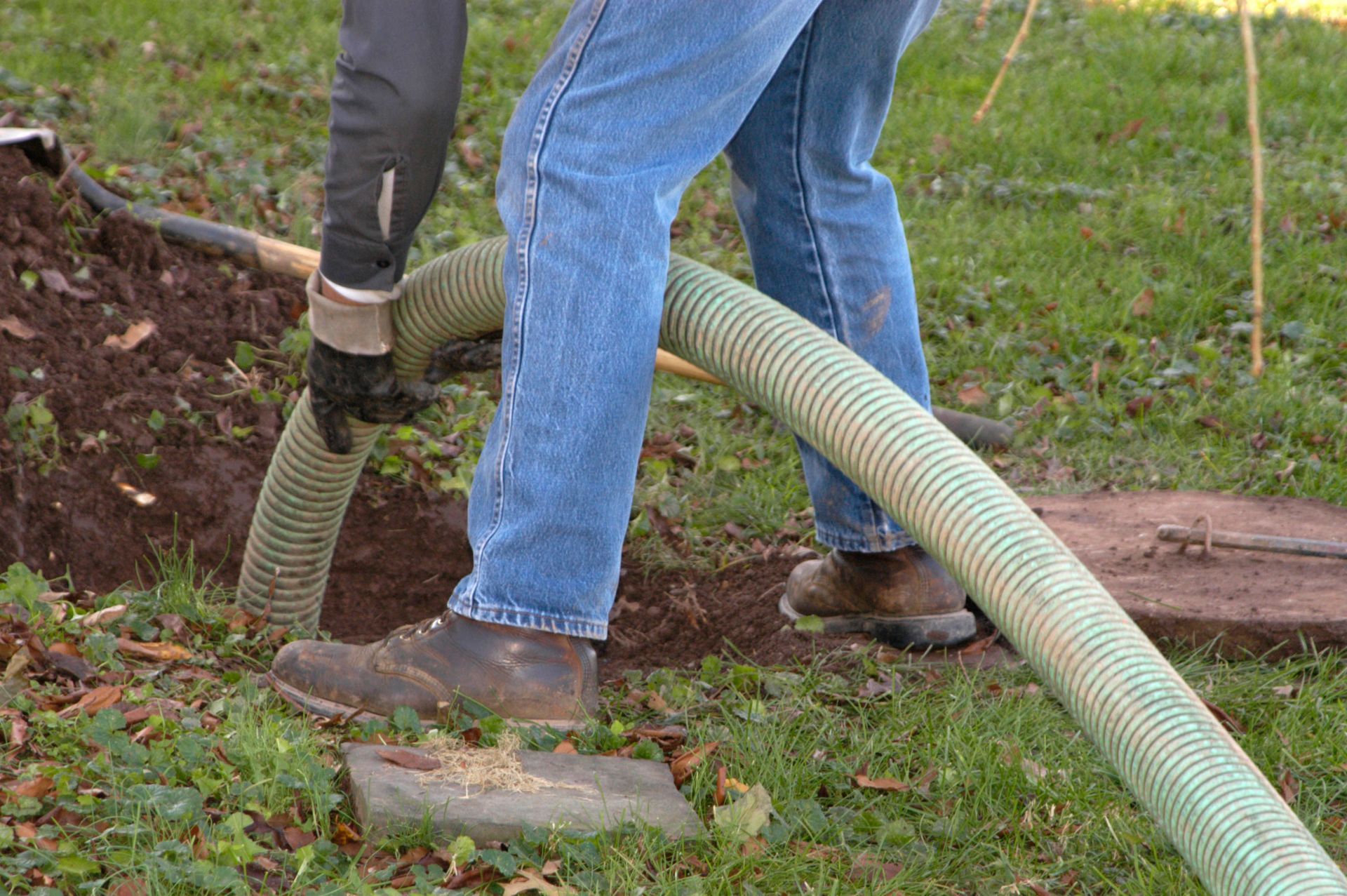
When waste leaves household drains, effective treatment depends on balanced interaction between mechanical components and biological soil activity. Substantial damage occurs when untreated liquid flows too quickly or encounters dense barriers, creating costly hazards. Responsible property owners frequently collaborate with septic pumping companies to handle routine maintenance, but pumping routines cannot salvage a poorly constructed absorption bed. Well-built systems manage water volumes effectively.
Understand the Core Function of Drain Fields
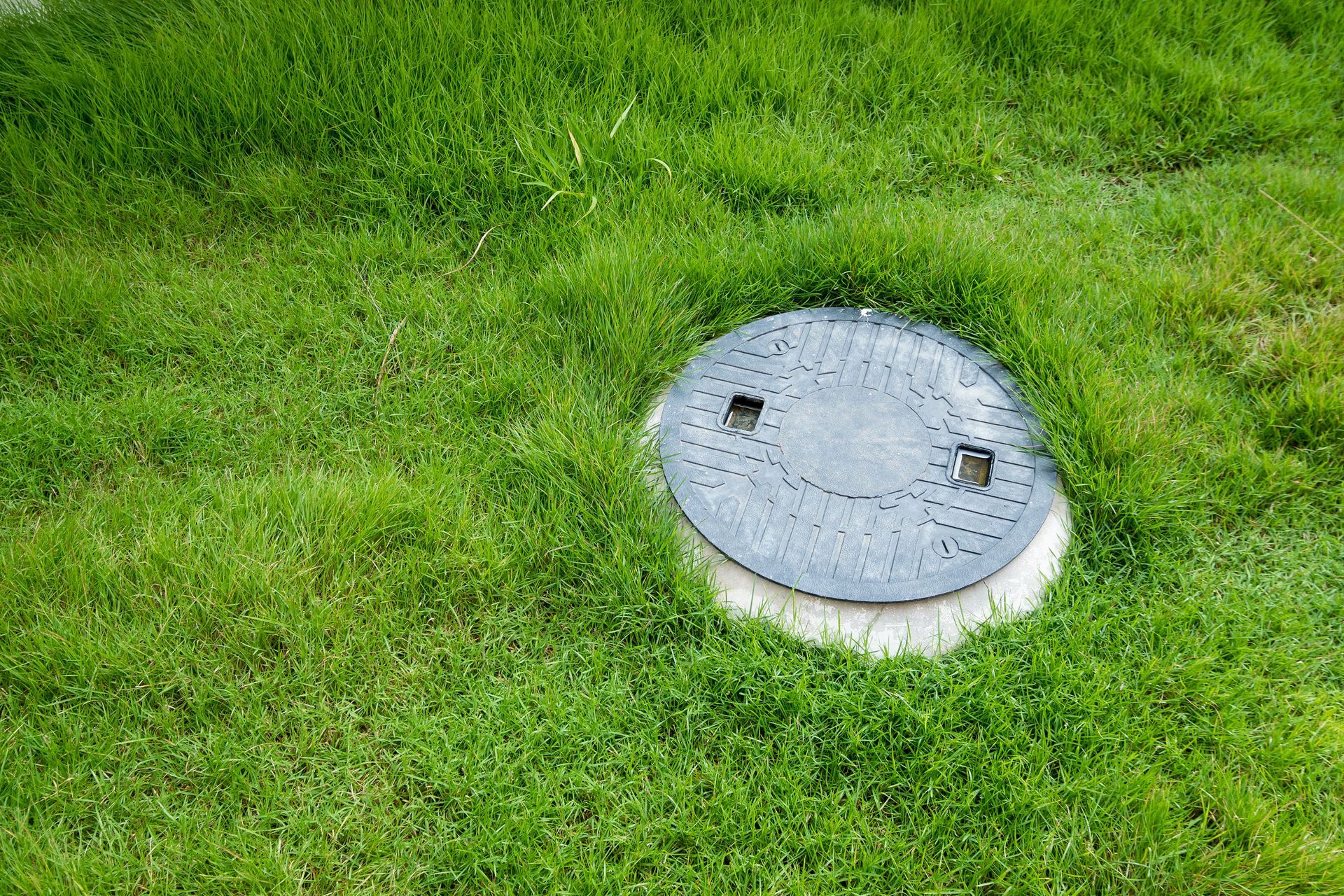
The drain field consists of network piping placed in excavated trenches filled with aggregate filtering media. Liquid effluent leaves the primary settling tank and flows into subsurface channels for natural soil absorption. As liquid trickles through porous earth, natural filtration removes lingering pathogens, suspended particles, and biological pollutants before water reaches subterranean aquifers. Aerobic soil permits native microbes to consume organic pollutants safely.
The primary storage vessel and absorption network remain deeply interdependent throughout daily household use. Liquid settling inside the main tank forms distinct layers, letting heavy solids drop while lighter grease floats. Clarified liquid travels downstream into absorption trenches, preventing organic solids from clogging soil pores. Partnering with professional septic pumping companies prevents solid waste from spilling into leach lines, preserving absorption rates.
Biological activity within subterranean soil remains the primary defense against contamination in groundwater supplies. Helpful bacteria thriving in aerated soil decompose organic materials, neutralizing harmful pathogens before liquid trickles into aquifers. Maintaining proper soil permeability ensures microscopic organisms receive adequate oxygen for waste treatment. Installation errors disrupt oxygen flow, creating anaerobic conditions that kill beneficial bacteria and slow treatment.
Evaluate Soil Quality and Site Conditions
Comprehensive site evaluations and thorough soil analyses represent mandatory starting steps prior to installing absorption infrastructure. Qualified technicians assess land topography, surface slope, and proximity to surface waters or property lines to determine suitable layout locations. Soil testing measures percolation rates and physical texture, revealing how effectively local ground processes liquid effluent. Accurate pre-installation analysis prevents major design errors.
Selecting an appropriate layout design depends heavily on local geological features, climate patterns, and available lot space. Traditional deep trench configurations suit properties featuring deep, absorbent soil structures with low water tables. Raised mound configurations elevated above natural terrain provide alternative solutions for locations with shallow bedrock or seasonal high water tables. Engineered chambers offer options when spatial constraints limit traditional trenching.
Environmental regulations govern absorption field construction to shield public health and regional ecosystems from contamination. Local ordinances dictate strict setback distances from drinking wells, streams, and physical structures to limit hazards. Non-compliance invites severe regulatory fines, mandatory system overhauls, and property damage. Reputable septic pumping companies evaluate these conditions before digging occurs, ensuring layout plans satisfy local compliance standards.
Follow Best Practices for Proper Installation
Adhering to proven construction practices guarantees that subsurface drainage infrastructure functions smoothly for long periods. Accurate trench excavation prevents severe soil compaction, ensuring native earth retains natural absorption capacities along trench floors. Field technicians must lay distribution piping completely level across excavated trenches to prevent unequal effluent accumulation. Uneven pipe placement forces excess liquid into localized areas, causing premature saturation and system failure.
Designers must size absorption networks to handle peak household wastewater generation without experiencing hydraulic overload. Parallel trench layouts distribute liquid evenly across multiple lines, balancing wastewater volume across the entire field. Minimizing pipe slopes keeps liquid moving at controlled speeds, encouraging uniform absorption along every linear foot. Calculating trench depth, pipe spacing, and aggregate volume optimizes filtering efficiency throughout active service life.
Mistakes made during trench preparation cause early absorption field failure and expensive property restoration needs. Common errors include inaccurate slope measurements, improper backfill selection, and rushed site evaluations that miss critical clay deposits. Ignoring environmental guidelines risks public safety and triggers costly legal liabilities. Trusted septic pumping companies emphasize proper alignment and trench preparation, ensuring constructed fields meet operational standards.
Maintain System Health Through Routine Care
Consistent inspection and preventive maintenance protect subsurface absorption networks against premature degradation and blockages. Homeowners should observe field surfaces for warning signs like standing water or spongy lawn areas. According to HomeGuide, industry experts recommend booking a drain cleaning service every one to two years to preserve steady flow and lower clog risks. Partnering with septic pumping companies ensures checks identify early warning signs.
Preserving subterranean processing health requires careful household water management and thoughtful waste disposal habits. Spreading laundry loads evenly across the week prevents sudden hydraulic surges from flooding processing trenches. Avoiding harsh chemical cleaners, synthetic solvents, and antibacterial products protects vital biological bacteria operating in soil beds. Proper yard grading diverts rainwater away from absorption sites, preventing excess soil saturation.
Professional service providers offer specialized diagnostic equipment required to evaluate hidden subterranean components accurately. Skilled technicians utilize cameras and flow testing to detect hidden blockages, crushed distribution pipes, or root intrusion problems. Establishing regular maintenance schedules creates detailed service histories that help anticipate wear before failures happen. Expert intervention corrects minor mechanical issues promptly, preserving overall system equilibrium.
Maximize Financial Value and System Longevity
Investing in professionally engineered absorption field construction yields substantial long-term economic dividends for homeowners. Properly designed systems process waste efficiently, preventing severe backups that necessitate total infrastructure replacement. Avoiding premature system failure protects property owners from emergency excavation costs and landscape restoration expenses. Early investments in quality construction materials and site planning deliver reliable performance year after year.
Lowering recurring maintenance costs requires consistent care and timely professional inspections before minor issues escalate into major failures. Addressing minor plumbing slow-downs early prevents solid waste from accumulating inside distribution pipes and clogging soil absorption pathways. Efficient wastewater distribution minimizes mechanical wear on pumps, reducing home energy expenses over time. Hiring experienced septic pumping companies reduces long-term repair expenses.
A fully functional wastewater system substantially enhances real estate marketability and overall residential property value. Prospective home buyers view updated, professionally maintained septic infrastructure as a major asset that reduces future financial risk. Documented inspection records and clean operational histories provide buyers with confidence during evaluations. Maintaining absorption infrastructure preserves property equity, making homes attractive to prospective buyers.
Examine Lessons Learned From Modern Case Studies
Analyzing successful residential installations provides valuable insights into proper planning, execution, and long-term care techniques. Case studies consistently highlight how accurate soil evaluation and pipe leveling prevent localized saturation issues over decades of reliable service. Successful projects demonstrate the benefit of clear communication between property owners, excavation contractors, and design engineers. Modern installations incorporating advanced filtering media show superior resistance to compaction.
Reviewing historical system failures highlights common pitfalls that lead to premature absorption field breakdown. Failed installations often stem from poor soil analysis, uncalibrated trench slopes, or ignoring local water table heights during initial design. Unmanaged surface runoff frequently floods absorption trenches, killing beneficial soil bacteria and causing severe waste pooling. Learning from past mistakes helps contractors make informed design choices during construction.
Technological advancements continue to improve modern absorption field performance, sustainability, and diagnostic precision. Innovations like engineered chamber units and synthetic aggregate wrap reduce physical installation footprints while maintaining high flow capacity. Real-time monitoring technology alerts homeowners to rising liquid levels before backups disrupt plumbing systems. Modern septic pumping companies utilize advanced diagnostic tools to ensure optimal results during evaluation visits.
As environmental standards advance and wastewater technology continues to evolve, maintaining proactive system management remains the best strategy for property owners. Establishing routine maintenance schedules ensures continuous performance, protecting essential plumbing infrastructure across every season. For comprehensive wastewater management, trust our team to keep your equipment running smoothly. Contact us at Howdys Doody Service, Inc to schedule your next service and protect your property for years to come.